
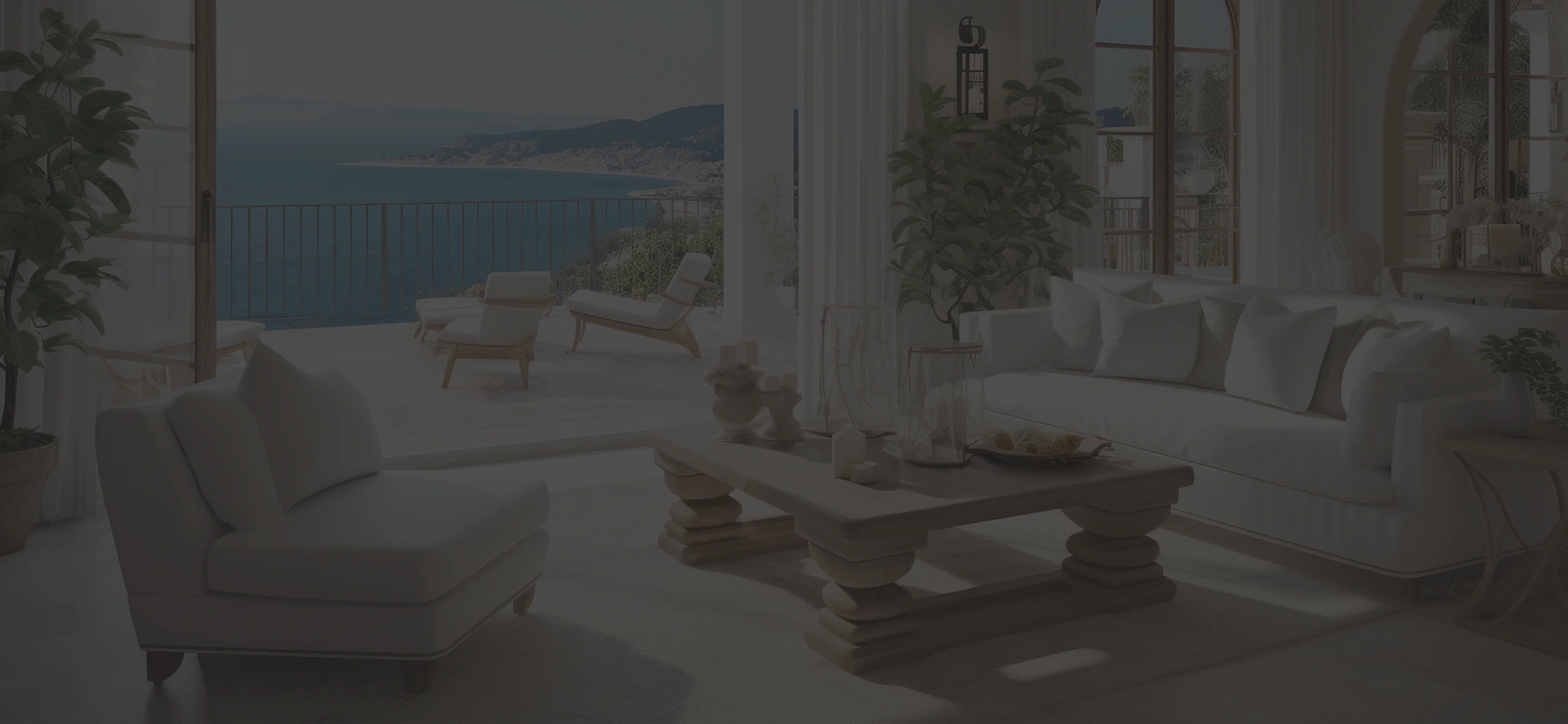
Achieving harmony throughhome decor excellence
A well-designed home reflects personal taste while ensuring daily comfort. Every living space reveals unique character through smart layouts, balancing curated furnishings with practical living requirements for modern lifestyles.
Timeless aesthetic appeal
Defining character with distinctive styles

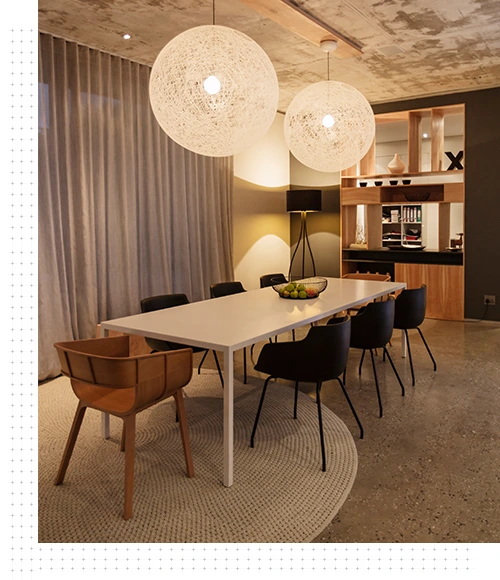
Embracing specific decorating styles establishes a cohesive visual narrative throughout the property. Whether preferring Scandinavian minimalism, modern farmhouse warmth, or industrial textures, the aesthetic guides solid wood furniture selection. Consistency in details and wall decor creates a seamless flow, ensuring a unified atmosphere from the entryway to private quarters.

Smart spatial planning
Optimizing space through strategic layouts

Efficient traffic flow remains the cornerstone of a functional floor plan. Positioning modular sofas to encourage movement while defining distinct zones allows open-concept areas to serve multiple purposes without feeling cluttered or chaotic during daily activities.
Structural constraints often dictate the initial approach, but creative spatial planning overcomes limitations. Analyzing natural lighting paths helps position reading nooks or dining sets. In studio apartments, vertical storage units and room dividers separate sleeping quarters from living spaces, preserving privacy while maintaining airflow. The interaction between architectural features and empty space defines the overall ergonomic quality of the residence.
Domestic zoning
Tailoring functions for every room

Family Lounges as a social hub
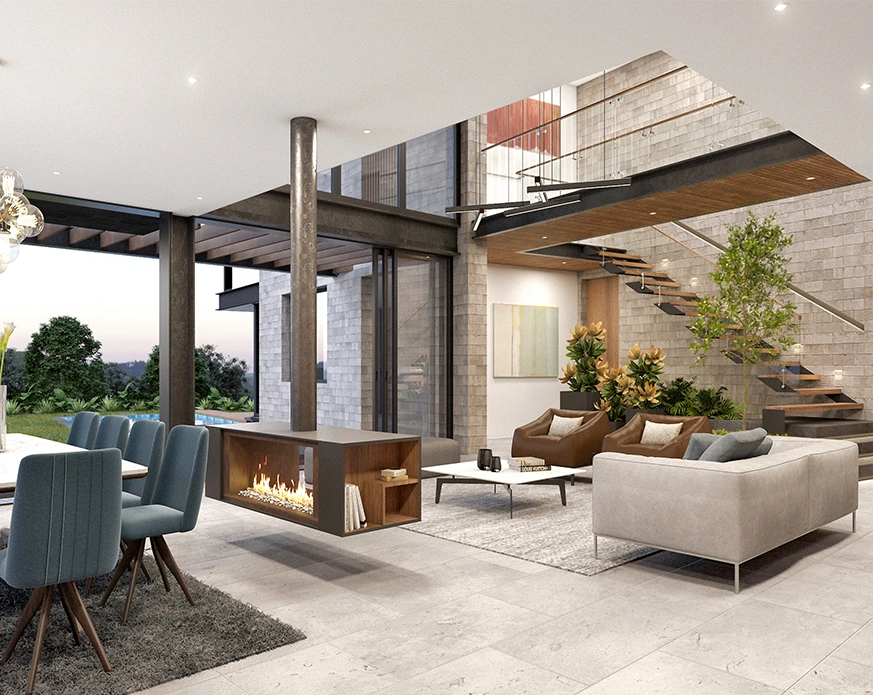
Sectional sofas encourage conversation, while area rugs and ambient floor lamps invite relaxation after a long day.

Culinary efficiency in modern kitchens
The work triangle connects the sink, cooktop, and fridge to streamline meal prep and minimize movement around central islands.

Restorative atmosphere in the master suite
Muted color schemes and blackout curtains promote deep sleep by reducing sensory stimulation and visual noise around the bed frame.

Hygiene and spa-like bathrooms
Water-resistant tiles with ample vanity storage keep surfaces clear, transforming daily routines into revitalizing rituals.
Sensory texture palette
Evoking emotion via colors and materials
Color palettes directly influence the mood and perceived size of a room. Cool tones like slate blue or sage green recede visually, making compact areas appear spacious, whereas warm ochres draw walls closer. Beyond paint, surface tactility plays a crucial role; combining natural wood with velvet upholstery creates sophisticated contrast. This interplay between light absorption and reflection adds depth to textured wallpapers.
Luminous atmosphere
Sculpting volumes with light and shadow
Artificial illumination acts as a silent architect, highlighting interior features. Layering different light fixtures—ambient, task, and accent—ensures adaptability. Dimmer switches allow transition from bright workspaces to moody evening settings. Placing floor lamps in dark corners expands room boundaries, while pendant lights over dining tables create an intimate focal point for gatherings.
Ergonomic furnishing choices
Selecting furniture for form and function
Every piece must justify its footprint. Investment in high-quality modular sofas or ergonomic armchairs ensures sustained comfort. Proportions are key; oversized media units can overwhelm modest rooms, while delicate coffee tables may get lost in cavernous lofts. Mixing vintage dressers with contemporary designs prevents the interior from looking like a sterile showroom display.
Final touch
Personalizing with accessories and art
Home Textiles and soft furnishings
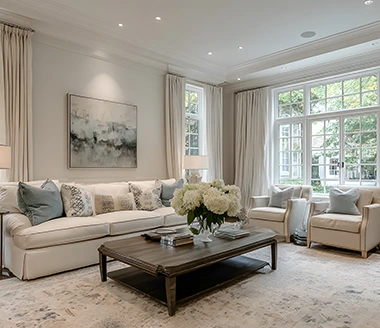
Decorative cushions, wool rugs, and linen curtains introduce pattern and warmth, softening hard architectural edges effectively.
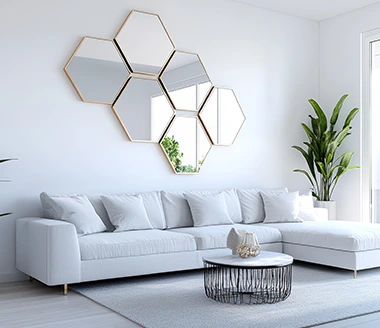
Wall Decor and mirrors
Strategically placed wall mirrors bounce light, while curated canvas prints serve as a compelling conversation starter.
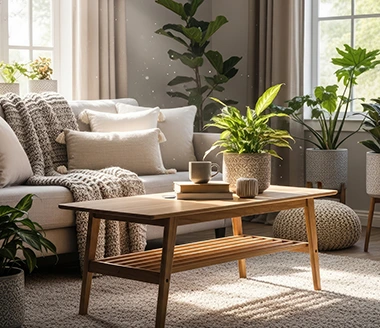
Indoor Planters and botanicals
Potted greenery purifies the air and introduces an organic element via ceramic vases that connects with nature.